Accepted
BACM 2005-1 A4
BACM 2006-4 A2
BSCMS 2004-T16 A6
BSCMS 2007-PW17 A3
BSCMS 2007-PW17 AAB
BSCMS 2007-PW18 A2
CGCMT 2008-C7 A3
COMM 2006-C7 A4
CSFB 2005-C1 A4
CSMC 2006-C2 A3
GSMS 2006-GG6 A2
GECMC 2005-C1 A3
GECMC 2005-C4 A4
GCCFC 2005-GG3 A2
GCCFC 2005-GG3 A3
GCCFC 2005-GG5 A2
GCCFC 2005-GG5 A3
JPMCC 2004-CB8 A1A
JPMCC 2005-CB13 A4
JPMCC 2006-CB14 A4
JPMCC 2006-CB15 A4
JPMCC 2006-CB16 A4
JPMCC 2006-LDP8 A2
JPMCC 2006-CB17 A4
JPMCC 2007-CB20 A3
JPMCC 2007-LD12 A2
LBUBS 2008-C1 A2
LBUBS 2005-C2 A4
LBUBS 2006-C1 A4
MLMT 2004-KEY2 A4
MLCFC 2007-8 A3
MSC 2006-HQ10 A4
MSC 2006-IQ12 A4
MSC 2007-IQ13 A3
WBCMT 2005-C20 A7
WBCMT 2007-C32 A2
Rejected
BACM 2006-5 A4
BSCMS 2006-PW13 A4
BSCMS 2006-T24 A4
BSCMS 2006-PW14 A4
CD 2007-CD4 A3
CWCI 2007-C2 A3
COMM 2006-C8 A4
CSMC 2007-C1 AAB
CSMC 2007-C1 A3
CSMC 2007-C2 AAB
CSMC 2007-C5 A3
JPMCC 2004-LN2 A2
JPMCC 2007-LDPX A3
JPMCC 2008-C2 A4
JPMCC 2008-C2 ASB
MLCFC 2007-6 A4
MSC 2007-IQ16 A3
WBCMT 2006-C29 A4
WBCMT 2007-C30 APB
Showing posts with label TALF. Show all posts
Showing posts with label TALF. Show all posts
Thursday, March 25, 2010

Tuesday, March 2, 2010
Bottoms Up?
Numerous sources have been hinting at a bottom in CMBS, including Barclays who said,
Housingwire noted that the CPPI is now down 44% on average, and 58% down for distressed properties - back to 2001/2002 levels. They also noted that the insurers bid will come back now that they can rate their own bonds - maybe for new issue, but not so much on legacy assets would be my guess.
They also note the coming risk of partial IO bonds, and this is a very real threat. Up until just last month, we were averaging about $2.5 billion in partial IO rolls each month, but that just spiked above $3 billion in January, and touches $4 billion by July. After a loan rolls from partial IO to amortizing, the average increase in debt service costs is around 20%, but lower coupon loans can get substantially above that, and amortization terms are all over the place. Although CMBS loans were ideally on stabilized properties, the worst offenders of proforma underwriting were loans structured as partial IOs - the lender would underwrite rents in year 5 to the necessary level, and to make it cashflow, would just not require amortization payments until month 61 (as an example).
As a more specific example, take a look at the largest loan to roll to amortizing payments this year, Grand Plaza, $86.5mm, in CD 2007-CD4. That property generated NOI of $6.4mm, and had debt service of $5.1mm last year - the new annual debt service will be approximately $1mm more at $6.1mm. The property cashflows at that level, but the debt service increased by 21.5%, and the property is already underwater at anything above 6% cap rates.
In all fairness, even last year, we had about $30 billion in partial IOs roll, which is about the same for this year, 2011, and 2012.

The biggest near-term concern is the expiration of TALF this month, but Citi made a very good point last week that repo lending has made its way back for most TALF-eligible bonds, and is competitive with TALF financing. They make a linear argument, but fail to explore why anyone would risk TALF if they could get a better deal in the repo market. TALF is clunky, and does not curry favor with either party like a nice repo line can.

Several folks have pointed to the 100 or so bps of tightening over the last 3 months, but in the grand scheme of things, the market has been pretty flat since last fall.

So, a bottom? maybe, but I think it's too early. We still have a lot of pain to work out in the pipeline, LNR still needs to file for bankruptcy, and we're only just starting to see a deluge of defaulted CMBS properties getting sold at viable prices. I don't think there is much to gain by holding a position through March just for the carry, but I also don't think we should all just sell all MBS like PIMCO has done.

From a macro perspective, an uptick is a clear positive, as it suggests that the gap between buyer and seller preferences is narrowing and could signal that some believe a bottom in prices is approaching.
Housingwire noted that the CPPI is now down 44% on average, and 58% down for distressed properties - back to 2001/2002 levels. They also noted that the insurers bid will come back now that they can rate their own bonds - maybe for new issue, but not so much on legacy assets would be my guess.
They also note the coming risk of partial IO bonds, and this is a very real threat. Up until just last month, we were averaging about $2.5 billion in partial IO rolls each month, but that just spiked above $3 billion in January, and touches $4 billion by July. After a loan rolls from partial IO to amortizing, the average increase in debt service costs is around 20%, but lower coupon loans can get substantially above that, and amortization terms are all over the place. Although CMBS loans were ideally on stabilized properties, the worst offenders of proforma underwriting were loans structured as partial IOs - the lender would underwrite rents in year 5 to the necessary level, and to make it cashflow, would just not require amortization payments until month 61 (as an example).
As a more specific example, take a look at the largest loan to roll to amortizing payments this year, Grand Plaza, $86.5mm, in CD 2007-CD4. That property generated NOI of $6.4mm, and had debt service of $5.1mm last year - the new annual debt service will be approximately $1mm more at $6.1mm. The property cashflows at that level, but the debt service increased by 21.5%, and the property is already underwater at anything above 6% cap rates.
In all fairness, even last year, we had about $30 billion in partial IOs roll, which is about the same for this year, 2011, and 2012.

The biggest near-term concern is the expiration of TALF this month, but Citi made a very good point last week that repo lending has made its way back for most TALF-eligible bonds, and is competitive with TALF financing. They make a linear argument, but fail to explore why anyone would risk TALF if they could get a better deal in the repo market. TALF is clunky, and does not curry favor with either party like a nice repo line can.

Several folks have pointed to the 100 or so bps of tightening over the last 3 months, but in the grand scheme of things, the market has been pretty flat since last fall.

So, a bottom? maybe, but I think it's too early. We still have a lot of pain to work out in the pipeline, LNR still needs to file for bankruptcy, and we're only just starting to see a deluge of defaulted CMBS properties getting sold at viable prices. I don't think there is much to gain by holding a position through March just for the carry, but I also don't think we should all just sell all MBS like PIMCO has done.
Tuesday, February 23, 2010
TALF Studs and Wallflowers
CUSIPs Bonds
Accepted
05947UR59 BACM 2005-3 A3A
059512AB9 BACM 2007-3 A2
07383F3X4 BSCMS 2005-PWR7 A2
07383F5K0 BSCMS 2005-T18 A4
07387BEB5 BSCMS 2005-PW10 A4
07387MAE9 BSCMS 2006-PW11 A4
07388NAB2 BSCMS 2006-T24 A2
07388PAE1 BSCMS 2006-PW14 A4
07388QAC3 BSCMS 2007-PW17 A3
073945AB3 BSCMS 2007-T28 A2
14986DAF7 CD 2006-CD3 A5
190749AB7 CWCI 2006-C1 A2
20047EBG6 COMM 2006-C8 A2B
20047QAE5 COMM 2006-C7 A4
20173QAB7 GCCFC 2007-GG9 A2
20173TAB1 CSMC 2007-C4 A2
20173WAC2 CMLT 2008-LS1 A3
22544QAB5 CSMC 2007-C3 A2
22545BAC5 CSMC 2006-C2 A3
22545XAB9 CSMC 2007-C1 A2
22545YAB7 CSMC 2007-C2 A2
36246LAB7 GSMS 2007-GG10 A2
36828QQE9 GECMC 2005-C4 A4
396789JS9 GCCFC 2005-GG3 A3
46628FAB7 JPMCC 2006-LDP7 A2
46629GAE8 JPMCC 2006-CB16 A4
46629PAM0 JPMCC 2006-LDP9 A2S
46630EAC4 JPMCC 2006-CB17 A4
46632HAB7 JPMCC 2007-LD12 A2
50177AAB5 LBCMT 2007-C3 A2
50179AAC1 LBUBS 2007-C1 A3
50180LAC4 LBUBS 2008-C1 A2
52109PAB1 LBUBS 2007-C6 A2
52109RBK6 LBUBS 2007-C7 A2
55312TAB9 MLCFC 2007-6 A2
55312VAB4 MLCFC 2006-4 A2
59022HDU3 MLMT 2004-KEY2 A4
59025KAB8 MLMT 2007-C1 A2
60688BAB4 MLCFC 2007-8 A2
61745MT45 MSC 2004-HQ4 A7
61750WAX1 MSC 2006-IQ12 A4
61751XAE0 MSC 2007-T25 A3
61754KAC9 MSC 2007-IQ14 A2
929766TP8 WBCMT 2004-C14 A2
92976VAE8 WBCMT 2006-C25 A4
92977QAB4 WBCMT 2006-C27 A2
92977RAD8 WBCMT 2006-C26 A3
92978MAB2 WBCMT 2006-C28 A2
92978NAB0 WBCMT 2007-C33 A2
92978PAE9 WBCMT 2006-C29 A4
92978YAB6 WBCMT 2007-C32 A2
Rejected
059497AV9 BACM 2007-1 A3
17310MAE0 CGCMT 2006-C5 A4
50179MAE1 LBUBS 2006-C6 A4
61751NAD4 MSC 2007-HQ11 A31
92978QAC1 WBCMT 2007-C30 A3
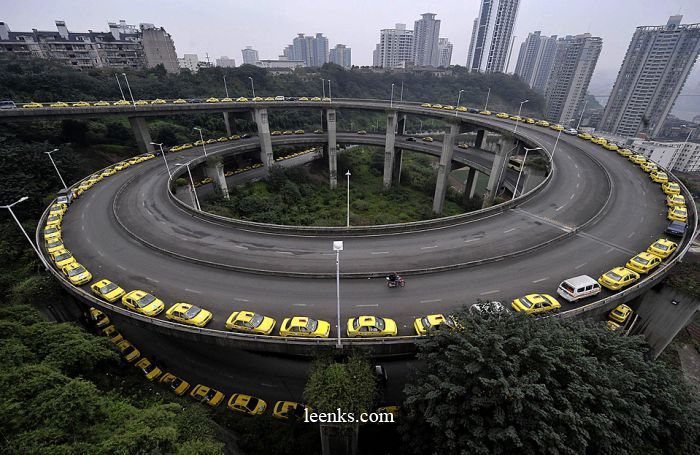
TALF applicants, please form a line to your right:
Accepted
05947UR59 BACM 2005-3 A3A
059512AB9 BACM 2007-3 A2
07383F3X4 BSCMS 2005-PWR7 A2
07383F5K0 BSCMS 2005-T18 A4
07387BEB5 BSCMS 2005-PW10 A4
07387MAE9 BSCMS 2006-PW11 A4
07388NAB2 BSCMS 2006-T24 A2
07388PAE1 BSCMS 2006-PW14 A4
07388QAC3 BSCMS 2007-PW17 A3
073945AB3 BSCMS 2007-T28 A2
14986DAF7 CD 2006-CD3 A5
190749AB7 CWCI 2006-C1 A2
20047EBG6 COMM 2006-C8 A2B
20047QAE5 COMM 2006-C7 A4
20173QAB7 GCCFC 2007-GG9 A2
20173TAB1 CSMC 2007-C4 A2
20173WAC2 CMLT 2008-LS1 A3
22544QAB5 CSMC 2007-C3 A2
22545BAC5 CSMC 2006-C2 A3
22545XAB9 CSMC 2007-C1 A2
22545YAB7 CSMC 2007-C2 A2
36246LAB7 GSMS 2007-GG10 A2
36828QQE9 GECMC 2005-C4 A4
396789JS9 GCCFC 2005-GG3 A3
46628FAB7 JPMCC 2006-LDP7 A2
46629GAE8 JPMCC 2006-CB16 A4
46629PAM0 JPMCC 2006-LDP9 A2S
46630EAC4 JPMCC 2006-CB17 A4
46632HAB7 JPMCC 2007-LD12 A2
50177AAB5 LBCMT 2007-C3 A2
50179AAC1 LBUBS 2007-C1 A3
50180LAC4 LBUBS 2008-C1 A2
52109PAB1 LBUBS 2007-C6 A2
52109RBK6 LBUBS 2007-C7 A2
55312TAB9 MLCFC 2007-6 A2
55312VAB4 MLCFC 2006-4 A2
59022HDU3 MLMT 2004-KEY2 A4
59025KAB8 MLMT 2007-C1 A2
60688BAB4 MLCFC 2007-8 A2
61745MT45 MSC 2004-HQ4 A7
61750WAX1 MSC 2006-IQ12 A4
61751XAE0 MSC 2007-T25 A3
61754KAC9 MSC 2007-IQ14 A2
929766TP8 WBCMT 2004-C14 A2
92976VAE8 WBCMT 2006-C25 A4
92977QAB4 WBCMT 2006-C27 A2
92977RAD8 WBCMT 2006-C26 A3
92978MAB2 WBCMT 2006-C28 A2
92978NAB0 WBCMT 2007-C33 A2
92978PAE9 WBCMT 2006-C29 A4
92978YAB6 WBCMT 2007-C32 A2
Rejected
059497AV9 BACM 2007-1 A3
17310MAE0 CGCMT 2006-C5 A4
50179MAE1 LBUBS 2006-C6 A4
61751NAD4 MSC 2007-HQ11 A31
92978QAC1 WBCMT 2007-C30 A3
TALF applicants, please form a line to your right:
Thursday, January 21, 2010
2010 TALF requests grew - unexpectedly
$1.45billion. I thought everyone was at CMSA? Guess there wasn't a budget for it this year.
==========================================================================
Date 01/20 12/14 11/17 10/21
==========================================================================
TOTAL $1,453.433 $1,324.854 $1,489.827 $2,124.921
% Change 9.7% -11.1% -29.9% 51.6%
-----------------------------------------------------------------------
Newly issued amount $0.000 $0.000 $72.248 $0.000
Legacy amount $1,453.433 $1,324.854 $1,417.579 $2,124.921
==========================================================================
Note: All dollar figures in millions.
Source: Bloomberg, FRBNY
==========================================================================
Date 01/20 12/14 11/17 10/21
==========================================================================
TOTAL $1,453.433 $1,324.854 $1,489.827 $2,124.921
% Change 9.7% -11.1% -29.9% 51.6%
-----------------------------------------------------------------------
Newly issued amount $0.000 $0.000 $72.248 $0.000
Legacy amount $1,453.433 $1,324.854 $1,417.579 $2,124.921
==========================================================================
Note: All dollar figures in millions.
Source: Bloomberg, FRBNY
Monday, January 11, 2010
Comings and Goings
Peter Cooper/Stuy Town is finally defaulting on their mortgage after much anticipation. Five different CMBS deals have exposure, and are gearing up for their shortfalls.
One, unnamed*, journalist got it right. She didn't get a byline, maybe I should know who she is, but I'm going to dub her "Samantha's Mom". As we've said all along - the CRE problems are much worse on bank's balance sheets than in CMBS.
CMBS is going to rally in 2010, and it's going to be huge!
I'm just embarrassed for the Fed and how they've done pretty much everything. They screwed up TALF, again. Did you know the fed was a private enterprise that can be hired/fired by Congress? Should you be asking your Congressman to let go this wayward contractor?
*It's Agnes Crane - I just think it's weird she doesn't have a byline.
One, unnamed*, journalist got it right. She didn't get a byline, maybe I should know who she is, but I'm going to dub her "Samantha's Mom". As we've said all along - the CRE problems are much worse on bank's balance sheets than in CMBS.
CMBS is going to rally in 2010, and it's going to be huge!
I'm just embarrassed for the Fed and how they've done pretty much everything. They screwed up TALF, again. Did you know the fed was a private enterprise that can be hired/fired by Congress? Should you be asking your Congressman to let go this wayward contractor?
*It's Agnes Crane - I just think it's weird she doesn't have a byline.
Wednesday, January 6, 2010
Oops - TALF accepts bond on accident
BACM 2007-1. The FED has accepted a few bonds off of it, then rejected one, then accepted one in December. Then yesterday they came out and said it was an error to accept it this last time, and they wouldn't accept it again at the current market price.
The, er, logic continues to baffle investors.
Also, what does price have to do with their TALF decision? If they don't think its worth PAR in the stress scenario they shouldn't be lending money on it - right?
The, er, logic continues to baffle investors.
Also, what does price have to do with their TALF decision? If they don't think its worth PAR in the stress scenario they shouldn't be lending money on it - right?
Thursday, December 10, 2009
Inland pricing rumored
Reuters/BBG reporting the top two classes at +150 and +205, respectively.
Someone hit me back with the structure?
UPDATE (Hotel Tango crabsofsteel)
Amount Rating (S&P/Realpt)
Class ($Mil.) sprd
A-1 58.354 AAA S+150
A-2 330.646 AAA S+205
B 24.100 AA S+360
C 42.900 A S+420
D 44.000 BBB-
Someone hit me back with the structure?
UPDATE (Hotel Tango crabsofsteel)
Amount Rating (S&P/Realpt)
Class ($Mil.) sprd
A-1 58.354 AAA S+150
A-2 330.646 AAA S+205
B 24.100 AA S+360
C 42.900 A S+420
D 44.000 BBB-
Tuesday, December 1, 2009
$625MM Inland Deal
The 3rd CMBS deal A.D. is coming from Inland - also looks like it'll be non-TALF. From the WSJ:
The $625 million in 10-year financing is backed by 55 retail stores owned by Inland throughout the country, and represents 75% of the property's value. The loan-to-value ratio is higher than the 50% of the Developers Diversified offering, which was collateralized by 28 shopping centers. Despite the relative high leverage, the Inland debt was underwritten based on factors including current property values, rent rolls and the potential for more downward pressures on cash flow as the health of commercial real estate typically lags behind that of the overall economy by a year or two.
Monday, November 30, 2009
$460MM Flagler Deal
| Class | Size ($MM) | Ratign (F/S) | WAL | Px Talk |
| A | $ 350 | AAA/AAA | 6.67 | S+190-210 |
| B | $ 30 | AA/AA | 7.11 | S+385-405 |
| D | $ 33 | A/A | 7.11 | S+435-455 |
| D | $ 47 | BBB-/BBB- | 7.11 |
LTV= 51.48%
DSCR 2.10x
Florida.
Office (65.6%), Industrial (11.8%), RoW/Excess Rail (22.6%). 44 Properties and multiple parcels.
Flagler's a subsidiary of Fortress, which bought it and affiliates back in 2007 for $3.5 bln. Obviously the WAL is longer than any TALF loan, so unlikely to get much TALF interest, if any.
Sunday, November 29, 2009
TALF Rejections
Okay, I know I'm a little late getting to this (I took my first vacation in 18 months last week and sat on a beach south of Cuba for a few days. No kids, just fruity drinks, bad food, sand, and salty water), but I want it in here for posterity's sake. The Fed continues to keep the market guessing as to their logic, or lack thereof, behind which bonds get accepted (60 in November) and which ones are rejected (3 in November). The real twist this time, is that all of the rejected bonds were previously accepted...
It's really bizarre, two of the rejected bonds (see table below borrowed from Citi's report on the matter - the reached the same conclusions) saw either an increase in delinquencies or an increase in loans with DSCRs < 1.1x since they were previously accepted, and the third bond (BACM 2007-2 A2) actually improved! Citi goes on to point out that several bonds that were accepted had performance declines that greatly exceeded those of the rejected bonds over the same period of time (see second part of the table below).

To quote Jeffery Berenbaum in the Citi report:
So, you're probably reading that and wondering what happened to Darrell Wheeler. If you're not thinking that, let me know, because he must have hit the road sometime in the last couple of weeks and they have already taken his name off of everything.
All of the prior accepted and rejected TALF bonds can be found here, along with some month-old stats on them.
It's really bizarre, two of the rejected bonds (see table below borrowed from Citi's report on the matter - the reached the same conclusions) saw either an increase in delinquencies or an increase in loans with DSCRs < 1.1x since they were previously accepted, and the third bond (BACM 2007-2 A2) actually improved! Citi goes on to point out that several bonds that were accepted had performance declines that greatly exceeded those of the rejected bonds over the same period of time (see second part of the table below).

To quote Jeffery Berenbaum in the Citi report:
So once again we come up short in trying to understand the Fed’s rejection decision process. As we noted above, the uncertainty is even greater this
month, with the rejection of previously accepted bonds, something the Fed has
not done before.
So, you're probably reading that and wondering what happened to Darrell Wheeler. If you're not thinking that, let me know, because he must have hit the road sometime in the last couple of weeks and they have already taken his name off of everything.
All of the prior accepted and rejected TALF bonds can be found here, along with some month-old stats on them.
Thursday, November 12, 2009
DDR 2009-DDR1
DDR 2009-DDR1 ($400mm)
I'll update with any color.
UPDATED PRICE TALK, again.
| Tranche | Size | Coupon | Rtg | Talk |
| A | $350.0 | 4.28% | AAA | N+145-160 |
| B | $ 30.0 | 7.45% | AA | |
| C | $ 33.0 | 8.43% | A |
I'll update with any color.
UPDATED PRICE TALK, again.
Wednesday, November 11, 2009
TALF changing to SUC OFF
Anonymous Banker has a good point. TALF doesn't really solve any problems. It doesn't matter if you're talking about new issue or legacy, TALF will not be the savior. It is riddled with issues that hinder its own success.
A) Diverse Collateral - unless the FRBNY looks the other way, the DDR deal is simply not diverse. It is 100% one sponsor, and 100% retail. The deal makes sense - we should support loans to institutional quality collateral, even when the sponsors have a BB+ rating, but this deal does not pass the diversity test. (Fortress likely passes, but the other deals in the pipeline don't pass this test either)
B) Failure to Specify TALF Eligibility Requirements - They've basically said, hey, we'll fund it as long as it is AAA and diverse, but we may reject it anyway. So, investors have to buy the bond with the added risk that they may be stuck with it and no TALF loan to leverage it (and a lower price b/c the NYFRB will immediately tell everyone they rejected it). It's the equivalent of telling your assistant to get you a triple-venti non-fat latte, and then throwing it in her face when she gets back from running down the street in the rain because the cup had a black lid instead of white one.
And more specifically to AB's point - what does TALF do to restart the loan market? CMBS was only about a quarter of the CRE lending market to start with, and it's maturity problems are mostly down the road 7+ years, unlike banks. Someone needs to step up and provide some very concrete guidelines and give the market some confidence.
-Stop all this FASB nonsense - just come up with a set of rules and implement it. Preferably stick to rules that aren't stupid like most of your recent changes.
-Stop all this talk about requiring issuers to retain an interest in securities - this already existed (see ABS Auto deals, or Specials on CMBS deals) and it doesn't solve the problem. "Hi, I'm XYZ 2009-1 and the government requires me to retain 10% of the deal on my books, so I'm going to increase some other costs by 10% and value that at near $0.00. Worst-case, we lose nothing and likely case is that value increases to something more than $0.00." "Oh yeah, and because of the new stupid FASB rule, I'm still going to have to put 100% of the deal on my balance sheet, even though I only actually have 10% on there)!"
-If you're going to give investors cheap leverage, how about giving very defined rules on how bonds will be eligible (or just publish a list of CUSIPs you nimrods). While you're at it, how about letting us use our Social Security savings and letting us leverage up on the assets. These aren't 144a. Plop them in a public fund and give us an option - hell, I'll take an $8,000 tax credit, or the clunker value of my primary vehicle, and put it in the fund out of the kindness of my heart to get things started. My tax rate next year is going to be 57% all in, I'm paying 100% of my insurance, rent, mortgage, vehicle loans, etc. - it's time for me to get something back for that, and I want control over as much of my money as possible. Why should some douche managing a fund get to benefit from my tax dollars (my 57 cents of every dollar I earn)?
-Instead of some useless scheme such as TALF, why not sell CDS on the new issue deals. This way an investor can offset their risk, at their own free will, and the government will receive a market-based fee for taking on that risk (a risk that will be far less than 3 or 4 times the purchase price, which is TALF). Structure it to benefit the taxpayer - I'm sure you guys have some great thoughts on this.
-Workout some reinsurance scheme. You can even support a third party to do it to keep the risk as far away from the taxpayer as possible. Offer it on whole loan portfolios, not just securities like CMBS - let an insurer offset some of their risk so they'll underwrite new portfolio loans (they still have money coming in that they need to put to work).

A) Diverse Collateral - unless the FRBNY looks the other way, the DDR deal is simply not diverse. It is 100% one sponsor, and 100% retail. The deal makes sense - we should support loans to institutional quality collateral, even when the sponsors have a BB+ rating, but this deal does not pass the diversity test. (Fortress likely passes, but the other deals in the pipeline don't pass this test either)
B) Failure to Specify TALF Eligibility Requirements - They've basically said, hey, we'll fund it as long as it is AAA and diverse, but we may reject it anyway. So, investors have to buy the bond with the added risk that they may be stuck with it and no TALF loan to leverage it (and a lower price b/c the NYFRB will immediately tell everyone they rejected it). It's the equivalent of telling your assistant to get you a triple-venti non-fat latte, and then throwing it in her face when she gets back from running down the street in the rain because the cup had a black lid instead of white one.
And more specifically to AB's point - what does TALF do to restart the loan market? CMBS was only about a quarter of the CRE lending market to start with, and it's maturity problems are mostly down the road 7+ years, unlike banks. Someone needs to step up and provide some very concrete guidelines and give the market some confidence.
-Stop all this FASB nonsense - just come up with a set of rules and implement it. Preferably stick to rules that aren't stupid like most of your recent changes.
-Stop all this talk about requiring issuers to retain an interest in securities - this already existed (see ABS Auto deals, or Specials on CMBS deals) and it doesn't solve the problem. "Hi, I'm XYZ 2009-1 and the government requires me to retain 10% of the deal on my books, so I'm going to increase some other costs by 10% and value that at near $0.00. Worst-case, we lose nothing and likely case is that value increases to something more than $0.00." "Oh yeah, and because of the new stupid FASB rule, I'm still going to have to put 100% of the deal on my balance sheet, even though I only actually have 10% on there)!"
-If you're going to give investors cheap leverage, how about giving very defined rules on how bonds will be eligible (or just publish a list of CUSIPs you nimrods). While you're at it, how about letting us use our Social Security savings and letting us leverage up on the assets. These aren't 144a. Plop them in a public fund and give us an option - hell, I'll take an $8,000 tax credit, or the clunker value of my primary vehicle, and put it in the fund out of the kindness of my heart to get things started. My tax rate next year is going to be 57% all in, I'm paying 100% of my insurance, rent, mortgage, vehicle loans, etc. - it's time for me to get something back for that, and I want control over as much of my money as possible. Why should some douche managing a fund get to benefit from my tax dollars (my 57 cents of every dollar I earn)?
-Instead of some useless scheme such as TALF, why not sell CDS on the new issue deals. This way an investor can offset their risk, at their own free will, and the government will receive a market-based fee for taking on that risk (a risk that will be far less than 3 or 4 times the purchase price, which is TALF). Structure it to benefit the taxpayer - I'm sure you guys have some great thoughts on this.
-Workout some reinsurance scheme. You can even support a third party to do it to keep the risk as far away from the taxpayer as possible. Offer it on whole loan portfolios, not just securities like CMBS - let an insurer offset some of their risk so they'll underwrite new portfolio loans (they still have money coming in that they need to put to work).
Monday, November 2, 2009
PPIP - No Sellers?
US Banker magazine purports that PPIP won't work because their aren't any sellers...
Cornelius, the failure to "see any toxic assets selling yet" is likely a result of being cooped up in an office teaching rather than doing. No offense is intended.
At the end of the day, the PPIP funds are going to have to target Resi's in large part, and AJs within the CMBS stack. There ARE sellers - AIG is one, but just looking at TALFable CMBS bid lists activity from Barclays (below), you can see that there is plenty of activity - and this doesn't even include AJs!

However, you can also just look at overall bid activity within our little CMBS world, and we're seeing several hundred million per day, and a typical week is $2 - $5 billion in selling...
Many observers say demand for the program has dropped off significantly, and will not rebound unless the Treasury can prove there are deals to be had. "I don't see any toxic assets selling yet," says Cornelius Hurley, a professor at the Graduate Program in Banking and Financial Law at Boston University School of Law. "Right now, it's just a bunch of announcements. There's a certain jawboning effect of this, and if Treasury keeps making these announcements, no one is going to believe them anymore, until we have actual deals."
Cornelius, the failure to "see any toxic assets selling yet" is likely a result of being cooped up in an office teaching rather than doing. No offense is intended.
The Treasury Department said in October that five investment funds have raised $1.94 billion in private capital to purchase toxic assets through its Public Private Investment Program.
At the end of the day, the PPIP funds are going to have to target Resi's in large part, and AJs within the CMBS stack. There ARE sellers - AIG is one, but just looking at TALFable CMBS bid lists activity from Barclays (below), you can see that there is plenty of activity - and this doesn't even include AJs!
However, you can also just look at overall bid activity within our little CMBS world, and we're seeing several hundred million per day, and a typical week is $2 - $5 billion in selling...
Comings and Goings
ZH has some thoughts ML's rosy REIT outlook. Wilbur Ross is perhaps a little too negative on CRE, which is already off 41% peak-to-date on prices. Is he putting on a massive short via CMBS?
Fortress may be the first new issue TALF deal. DDR may go forward without TALF... and there are several other new issue TALF deals in the works.
Fortress may be the first new issue TALF deal. DDR may go forward without TALF... and there are several other new issue TALF deals in the works.
Sunday, October 25, 2009
TALF'd CMBS Bonds

TALF - The Alien Life Form
TALF's biggest problem is related to the actual mechanics of TALF rather than the collateral being purchased by investors. On top of the hyperamortizing structures, the process to get set up, and tighter spreads today, you also have to buy the bonds from a dealer before you know if they'll be eligible. Four bonds, which met all the initial eligibility requirements, have been rejected since July, leaving those investors with a bond that is substantially price impaired (because everyone now knows it is not TALFable) and a repo line from a Street firm that needs to be unwound.
Also, full disclosure, this data is compiled from a few sources (all as of October 2009, so they differ some from the date the buyers requested TALF loans) and likely has some errors, but it is the same data the Fed is looking at and thus should be enlightening as to their process. The Fed has outsourced some of the valuation to third parties, who utilize models, and may have cleaner data. We adjusted for this by using a loan-level model from one of the top Street firms and producing the percentile result of the deals (where a lower number is better, and represents a lower overall default rate compared to the other deals)- we didn't name the firm because frankly we believe most of the models have very little value, but it is a data point, nonetheless. Also, we only had data for 2006/2007/2008 transactions for their model, so a lot of these have NAs.
It turns out, none of the metrics below, even taken together, explain the Fed's logic. Let me know if you have thoughts as to what form of logic is being used.
So, let's look at the rejected bonds first. The first three listed below are from August, and the last one is from July. These are labeled, throughout this post, in red, to distinguish them
| Bond Name | C/E | WAL | 60+ Delq. (%) | Spec. Serv. (%) | Partial IO (%) | WAVG DSCR | Street Model Rank |
| GSMS 2006-GG8 A4 | 30.23 | 6.73 | 9.86 | 0.77 | 43.32 | 1.44 | 87% |
| BSCMS 2007-PW16 A4 | 30.23 | 7.42 | 2.90 | 0.00 | 40.90 | 1.50 | 53% |
| JPMCC 2007-LDPX A2S | 30.18 | 2.25 | 3.37 | 8.19 | 11.35 | 1.65 | 96% |
| JPMCC 2005-LDP3 A4A | 20.67 | 5.66 | 5.58 | 3.14 | 39.54 | 1.72 | NA |
All four bonds had a top property type of Office (from 29% to 54% of the pool), and had the second highest concentration in Retail (from 20%-27%). Both sectors are concerning, but there were similar bonds with high concentrations that were accepted - In fact, GG9 and GG10 both had bonds accepted with an Office concentration of 60% and 63%, respectively, and they are not alone. Retail is even more surprising with 48 bonds (27% of the total requests through September) accepted that had exposures greater than 27%, with the top being LBUBS 2004-C2 A4 with an astonishing 48% UNANCHORED Retail exposure.
You also see some disconcerting numbers in the table above:
Credit Enhancement is above the highest level for the respective vintages. In fact, there are several <20% style="font-weight: bold;">60+ Day Delinquencies are high for each of the rejected bonds ranging from 2.25% to 7.42%, and they average slightly higher than the accepted bonds average of 3.32% (although the ranges are in line in both categories.
Special Serviced assets as a percentage of total loans seems high for two of the rejected bonds, but it is actually substantially smaller than the typical 2006 and later-vintage deals (approaching 20% and more) and the average rejected bond percentage of 3.02% is substantially higher than the accepted bonds average of 4.14%. There were 30 bonds accepted (16.5% of all requests) that had a higher percentage of loans in special servicing the highest percentage in the rejected list.
Partial IO percentage is 40% or higher for three of the four bonds. Most of these have or will roll to Amortizing payments before the end of 2012, and the average increase in debt service is around 18%. This is one of our biggest concerns (scroll to the bottom of the link for a chart) in the CMBS market. However, the accepted bonds have an average Partial IO Percentage of 39.21%, and many have higher exposures than the rejected list of bonds.
DSCR is about the same regardless of whether the bonds were rejected (1.58x average) or accepted (1.59x average).
The Street Model is a little more telling as these bonds fall in the bottom half of the model results, ranging from 53% to 96%. The JPMCC 2007-LDPX A2S is the 96% (although there are 7 accepted bonds that are worse according to the model), and with good reason - it has Maguire (the person, not the REIT) exposure with Solana, which he has requested debt relief on already, GGP exposure, Inland Empire office, and it is 100% 5-year loans rather than the typical 10-year loan found in CMBS.
Accepted Bonds:
| Bond Name | C/E | WAL | 60+ Delq. (%) | Spec. Serv. (%) | Partial IO (%) | WAVG DSCR |
| GCCFC 2005-GG3 A2 | 22.15 | 0.14 | 1.55 | 18.49 | 42.25 | 1.68 |
| GCCFC 2005-GG3 A3 | 22.15 | 1.94 | 1.55 | 18.49 | 42.25 | 1.68 |
| GCCFC 2005-GG3 A3 | 22.15 | 1.94 | 1.55 | 18.49 | 42.25 | 1.68 |
| COMM 2005-LP5 A4 | 25.56 | 5.28 | 0.25 | 16.58 | 34.90 | 1.71 |
| GECMC 2005-C1 A5 | 21.29 | 5.11 | 4.60 | 14.29 | 29.60 | 1.86 |
| MLMT 2004-KEY2 A4 | 16.82 | 4.74 | 6.21 | 14.05 | 22.48 | 1.48 |
| MLMT 2004-KEY2 A4 | 16.82 | 4.74 | 6.21 | 14.05 | 22.48 | 1.48 |
| GECMC 2005-C4 A4 | 30.79 | 5.85 | 3.61 | 12.22 | 44.98 | 1.72 |
| JPMCC 2005-LDP1 A4 | 21.05 | 5.13 | 1.20 | 11.98 | 26.02 | 1.69 |
| MLMT 2005-CIP1 A2 | 30.96 | 0.71 | 3.25 | 10.76 | 37.68 | 1.66 |
| CSFB 2005-C2 A4 | 32.02 | 5.23 | 12.44 | 9.76 | 58.17 | 1.40 |
| CSFB 2005-C2 A4 | 32.02 | 5.23 | 12.44 | 9.76 | 58.17 | 1.40 |
| CSFB 2005-C2 A3 | 32.02 | 2.11 | 12.44 | 9.76 | 58.17 | 1.40 |
| CSFB 2005-C1 A4 | 22.52 | 4.98 | 5.46 | 8.81 | 40.09 | 1.67 |
| BSCMS 2005-PW10 A4 | 31.18 | 5.84 | 2.15 | 8.79 | 45.97 | 1.45 |
| BACM 2005-3 A3A | 30.86 | 2.39 | 2.14 | 8.50 | 29.71 | 1.79 |
| CSFB 2005-C3 A4 | 31.16 | 5.37 | 5.19 | 7.18 | 43.73 | 1.71 |
| CGCMT 2004-C1 A3 | 18.69 | 1.66 | 2.01 | 7.17 | 31.14 | 1.62 |
| WBCMT 2003-C9 A4 | 21.46 | 3.89 | 2.01 | 6.81 | 16.07 | 1.71 |
| GCCFC 2005-GG5 A2 | 30.64 | 0.83 | 2.62 | 6.53 | 48.19 | 1.61 |
| GCCFC 2005-GG5 A3 | 30.64 | 1.69 | 2.62 | 6.53 | 48.19 | 1.61 |
| GCCFC 2005-GG5 A2 | 30.64 | 0.83 | 2.62 | 6.53 | 48.19 | 1.61 |
| BACM 2004-4 A4 | 16.44 | 1.62 | 4.88 | 6.44 | 26.34 | 2.26 |
| BACM 2004-4 A6 | 16.44 | 4.48 | 4.88 | 6.44 | 26.34 | 2.26 |
| BACM 2005-6 A4 | 30.83 | 5.87 | 2.45 | 6.36 | 38.52 | 1.93 |
| BACM 2005-6 A4 | 30.83 | 5.87 | 2.45 | 6.36 | 38.52 | 1.93 |
| LBUBS 2004-C2 A4 | 18.07 | 4.23 | 2.24 | 6.08 | 34.30 | 2.28 |
| WBCMT 2005-C22 A4 | 30.46 | 5.94 | 3.55 | 5.70 | 53.76 | 1.70 |
| JPMCC 2004-CBX A5 | 22.87 | 2.59 | 1.44 | 5.34 | 24.08 | 1.56 |
| JPMCC 2005-LDP5 A4 | 30.58 | 5.84 | 0.90 | 5.00 | 41.31 | 1.93 |
| JPMCC 2005-LDP5 A4 | 30.58 | 5.84 | 0.90 | 5.00 | 41.31 | 1.93 |
| JPMCC 2005-LDP5 A4 | 30.58 | 5.84 | 0.90 | 5.00 | 41.31 | 1.93 |
| BACM 2005-2 A4 | 35.93 | 2.34 | 0.00 | 4.49 | 20.56 | 1.84 |
| BSCMS 2005-PWR9 A4A | 20.92 | 5.67 | 7.20 | 2.74 | 43.62 | 1.55 |
| JPMCC 2005-CB13 A2 | 31.21 | 0.96 | 2.37 | 2.41 | 40.97 | 1.51 |
| JPMCC 2005-CB13 A4 | 31.21 | 5.84 | 2.37 | 2.41 | 40.97 | 1.51 |
| BACM 2005-5 A4 | 31.67 | 5.76 | 2.50 | 2.34 | 40.61 | 1.77 |
| BACM 2005-5 A4 | 31.67 | 5.76 | 2.50 | 2.34 | 40.61 | 1.77 |
| LBUBS 2005-C3 A5 | 31.87 | 5.40 | 2.75 | 2.11 | 26.88 | 1.54 |
| BACM 2004-1 A4 | 17.99 | 3.99 | 2.29 | 1.83 | 44.94 | 2.19 |
| WBCMT 2004-C12 A4 | 15.36 | 4.43 | 0.15 | 1.31 | 37.66 | 1.81 |
| JPMCC 2005-LDP4 A2 | 31.72 | 0.70 | 2.12 | 1.29 | 39.72 | 1.64 |
| LBUBS 2005-C2 A4 | 22.44 | 2.38 | 2.36 | 1.27 | 27.50 | 1.55 |
| LBUBS 2005-C2 A4 | 22.44 | 2.38 | 2.36 | 1.27 | 27.50 | 1.55 |
| MSC 2003-IQ4 A2 | 17.16 | 3.14 | 0.55 | 1.15 | 33.20 | 1.80 |
| COMM 2005-C6 A5A | 20.19 | 5.63 | 6.30 | 1.09 | 43.27 | 1.69 |
| GSMS 2005-GG4 A4A | 20.79 | 5.35 | 2.23 | 0.94 | 52.15 | 1.65 |
| GSMS 2005-GG4 A4A | 20.79 | 5.35 | 2.23 | 0.94 | 52.15 | 1.65 |
| JPMCC 2004-CB8 A1A | 15.47 | 3.65 | 1.26 | 0.77 | 40.83 | 1.78 |
| JPMCC 2004-CB8 A1A | 15.47 | 3.65 | 1.26 | 0.77 | 40.83 | 1.78 |
| JPMCC 2004-C1 A3 | 17.05 | 4.06 | 0.19 | 0.59 | 34.77 | 1.79 |
| MSC 2005-HQ5 A4 | 22.00 | 4.89 | 1.64 | 0.51 | 32.38 | 1.97 |
| JPMCC 2005-LDP2 A3 | 31.06 | 2.63 | 2.72 | 0.51 | 39.81 | 1.64 |
| JPMCC 2003-CB7 A4 | 16.30 | 3.65 | 4.66 | 0.50 | 26.96 | 1.79 |
| COMM 2004-LB2A A4 | 17.69 | 4.13 | 5.26 | 0.41 | 53.39 | 2.07 |
| MSC 2005-HQ7 A2 | 31.54 | 2.62 | 2.25 | 0.23 | 33.86 | 1.58 |
| JPMCC 2005-CB12 A4 | 31.60 | 5.52 | 5.04 | 0.20 | 45.89 | 1.73 |
| BSCMS 2005-T20 A2 | 17.91 | 0.76 | 0.06 | 0.06 | 21.78 | 2.07 |
| MLMT 2005-CKI1 A6 | 31.13 | 5.76 | 2.91 | 0.00 | 43.67 | 1.73 |
| WBCMT 2005-C19 A3 | 30.90 | 1.05 | 0.00 | 0.00 | 18.81 | 1.94 |
| MLMT 2003-KEY1 A3 | 15.67 | 1.56 | 0.00 | 0.00 | 48.36 | 1.84 |
| GCCFC 2004-GG1 A7 | 17.87 | 4.09 | 7.93 | 0.00 | 44.64 | 1.91 |
| MSC 2004-T13 A4 | 15.53 | 3.99 | 0.00 | 0.00 | 26.55 | 2.37 |
| BSCMS 2004-PWR4 A3 | 12.88 | 4.42 | 0.00 | 0.00 | 48.92 | 2.15 |
| CSFB 2005-C5 A3 | 30.84 | 3.09 | 0.77 | 0.00 | 62.75 | 1.83 |
| CSFB 2005-C6 A2FX | 31.21 | 0.82 | 2.63 | 0.00 | 53.77 | 1.59 |
| CSMC 2007-C2 A2 | 30.11 | 2.11 | 4.02 | 0.00 | 19.43 | 1.33 |
| CSMC 2007-C2 A2 | 30.11 | 2.11 | 4.02 | 0.00 | 19.43 | 1.33 |
| JPMCC 2007-LD11 A2 | 30.18 | 2.54 | 9.80 | 0.34 | 22.66 | 1.32 |
| JPMCC 2007-LD11 A2 | 30.18 | 2.54 | 9.80 | 0.34 | 22.66 | 1.32 |
| JPMCC 2007-LD11 A2 | 30.18 | 2.54 | 9.80 | 0.34 | 22.66 | 1.32 |
| GSMS 2007-GG10 A2 | 30.02 | 2.55 | 9.50 | 2.38 | 19.60 | 1.25 |
| GSMS 2007-GG10 A2 | 30.02 | 2.55 | 9.50 | 2.38 | 19.60 | 1.25 |
| GCCFC 2007-GG9 A2 | 30.10 | 2.28 | 0.44 | 1.23 | 18.52 | 1.52 |
| GCCFC 2007-GG9 A2 | 30.10 | 2.28 | 0.44 | 1.23 | 18.52 | 1.52 |
| GCCFC 2007-GG9 AAB | 30.10 | 4.90 | 0.44 | 1.23 | 18.52 | 1.52 |
| LBUBS 2007-C1 A3 | 30.23 | 4.26 | 4.76 | 8.07 | 29.90 | 1.45 |
| LBUBS 2007-C2 A2 | 30.08 | 2.25 | 5.26 | 5.92 | 42.55 | 1.59 |
| LBUBS 2007-C2 A2 | 30.08 | 2.25 | 5.26 | 5.92 | 42.55 | 1.59 |
| LBUBS 2007-C2 A2 | 30.08 | 2.25 | 5.26 | 5.92 | 42.55 | 1.59 |
| LBCMT 2007-C3 A2 | 30.02 | 2.59 | 5.03 | 10.41 | 19.68 | 1.45 |
| LBCMT 2007-C3 A2FL | 30.02 | 2.59 | 5.03 | 10.41 | 19.68 | 1.45 |
| WBCMT 2007-C31 A2 | 30.16 | 2.50 | 2.56 | 0.00 | 21.57 | 1.26 |
| WBCMT 2007-C31 A2 | 30.16 | 2.50 | 2.56 | 0.00 | 21.57 | 1.26 |
| BACM 2007-1 A4 | 30.47 | 7.08 | 1.77 | 7.87 | 30.28 | 1.55 |
| BACM 2007-1 A2 | 30.47 | 2.15 | 1.77 | 7.87 | 30.28 | 1.55 |
| BACM 2007-1 A4 | 30.47 | 7.08 | 1.77 | 7.87 | 30.28 | 1.55 |
| MLCFC 2007-6 A2 | 30.19 | 2.31 | 1.52 | 0.00 | 23.76 | 1.37 |
| GSMS 2006-GG8 A2 | 30.23 | 1.83 | 9.86 | 0.77 | 43.32 | 1.44 |
| GSMS 2006-GG8 A2 | 30.23 | 1.83 | 9.86 | 0.77 | 43.32 | 1.44 |
| LBUBS 2006-C3 A2 | 30.55 | 1.31 | 2.68 | 3.62 | 45.77 | 1.54 |
| MSC 2007-IQ14 A2 | 30.22 | 2.51 | 3.80 | 0.68 | 27.06 | 1.40 |
| CSMC 2007-C3 A2 | 30.11 | 2.45 | 6.10 | 4.24 | 30.06 | 1.32 |
| CSMC 2006-C3 A2 | 30.40 | 1.53 | 2.30 | 10.37 | 51.44 | 1.56 |
| CSMC 2007-C5 A2 | 30.11 | 2.72 | 9.58 | 0.24 | 38.52 | 1.30 |
| BACM 2006-6 A2 | 30.24 | 1.88 | 1.74 | 0.00 | 21.62 | 1.45 |
| WBCMT 2007-C33 A2 | 30.04 | 2.62 | 3.30 | 0.66 | 28.51 | 1.35 |
| WBCMT 2007-C33 A3 | 30.04 | 4.68 | 3.30 | 0.66 | 28.51 | 1.35 |
| JPMCC 2007-LD12 A2 | 30.11 | 2.62 | 1.13 | 0.97 | 29.42 | 1.43 |
| LBUBS 2006-C6 A2 | 30.23 | 1.68 | 1.26 | 0.42 | 33.78 | 1.55 |
| LBUBS 2006-C6 A2 | 30.23 | 1.68 | 1.26 | 0.42 | 33.78 | 1.55 |
| GCCFC 2006-GG7 A2 | 30.52 | 1.46 | 5.00 | 1.05 | 43.49 | 1.46 |
| BACM 2007-3 A2 | 30.06 | 2.41 | 3.85 | 16.56 | 13.91 | 1.41 |
| BACM 2007-3 A2 | 30.06 | 2.41 | 3.85 | 16.56 | 13.91 | 1.41 |
| CSMC 2006-C4 A2 | 30.26 | 1.67 | 6.92 | 7.46 | 49.20 | 1.37 |
| CWCI 2006-C1 A2 | 30.85 | 1.84 | 6.18 | 9.77 | 38.57 | 1.51 |
| BACM 2006-5 A4 | 30.31 | 6.49 | 4.27 | 8.75 | 57.60 | 1.48 |
| GECMC 2007-C1 A2 | 30.28 | 2.30 | 3.34 | 5.38 | 26.90 | 1.26 |
| BACM 2006-4 A2 | 30.31 | 1.69 | 2.85 | 3.21 | 65.02 | 1.55 |
| CSMC 2006-C5 A2 | 30.19 | 2.06 | 4.02 | 9.38 | 46.89 | 1.43 |
| WBCMT 2006-C27 A2 | 30.35 | 1.77 | 6.61 | 0.00 | 45.53 | 1.45 |
| MSC 2007-HQ11 A2 | 30.21 | 2.18 | 2.82 | 0.00 | 22.28 | 1.44 |
| MSC 2007-HQ11 A2 | 30.21 | 2.18 | 2.82 | 0.00 | 22.28 | 1.44 |
| JPMCC 2006-LDP8 A2 | 30.34 | 1.88 | 2.07 | 6.49 | 24.96 | 1.98 |
| CWCI 2007-C2 A2 | 30.17 | 2.18 | 2.13 | 5.31 | 37.11 | 1.43 |
| GSMS 2006-GG6 A2 | 30.51 | 1.12 | 5.48 | 3.13 | 63.71 | 1.59 |
| GSMS 2006-GG6 A2 | 30.51 | 1.12 | 5.48 | 3.13 | 63.71 | 1.59 |
| GSMS 2006-GG6 A2 | 30.51 | 1.12 | 5.48 | 3.13 | 63.71 | 1.59 |
| LBUBS 2007-C6 A2 | 30.04 | 2.62 | 1.89 | 0.09 | 47.98 | 1.34 |
| MLMT 2006-C1 A2 | 30.82 | 1.40 | 5.73 | 11.95 | 42.12 | 1.66 |
| MLMT 2006-C1 A3 | 30.82 | 2.89 | 5.73 | 11.95 | 42.12 | 1.66 |
| MSC 2006-HQ8 A4 | 31.67 | 5.97 | 4.22 | 0.00 | 52.74 | 1.46 |
| BSCMS 2007-PW16 A2 | 30.23 | 2.53 | 2.90 | 0.00 | 40.90 | 1.50 |
| BSCMS 2007-PW16 A2 | 30.23 | 2.53 | 2.90 | 0.00 | 40.90 | 1.50 |
| BSCMS 2007-PW16 A2 | 30.23 | 2.53 | 2.90 | 0.00 | 40.90 | 1.50 |
| JPMCC 2006-CB17 A4 | 30.31 | 6.91 | 1.99 | 0.00 | 37.51 | 1.46 |
| JPMCC 2006-CB17 A4 | 30.31 | 6.91 | 1.99 | 0.00 | 37.51 | 1.46 |
| JPMCC 2006-CB17 A4 | 30.31 | 6.91 | 1.99 | 0.00 | 37.51 | 1.46 |
| WBCMT 2006-C28 A2 | 30.26 | 1.89 | 3.42 | 0.73 | 34.18 | 1.36 |
| WBCMT 2006-C29 A2 | 30.07 | 1.98 | 4.48 | 0.00 | 23.42 | 1.60 |
| CD 2007-CD4 A2B | 30.16 | 2.14 | 6.83 | 6.74 | 28.59 | 1.48 |
| CD 2007-CD4 A2B | 30.16 | 2.14 | 6.83 | 6.74 | 28.59 | 1.48 |
| BSCMS 2006-PW14 A2 | 30.47 | 2.09 | 1.86 | 4.60 | 42.06 | 1.49 |
| WBCMT 2007-C30 A3 | 30.06 | 2.25 | 1.30 | 0.84 | 23.33 | 1.21 |
| WBCMT 2007-C30 A3 | 30.06 | 2.25 | 1.30 | 0.84 | 23.33 | 1.21 |
| WBCMT 2007-C30 A3 | 30.06 | 2.25 | 1.30 | 0.84 | 23.33 | 1.21 |
| LBUBS 2006-C7 A2 | 31.86 | 1.99 | 4.61 | 1.20 | 38.80 | 1.76 |
| BSCMS 2006-PW13 A2 | 30.75 | 1.80 | 2.31 | 0.22 | 38.89 | 1.45 |
| BSCMS 2006-PW13 A4 | 30.75 | 6.58 | 2.31 | 0.22 | 38.89 | 1.45 |
| CD 2006-CD2 A4 | 30.48 | 6.01 | 3.57 | 4.58 | 51.28 | 1.54 |
| CD 2006-CD2 A2 | 30.48 | 1.20 | 3.57 | 4.58 | 51.28 | 1.54 |
| MLCFC 2007-9 A2 | 30.16 | 2.73 | 1.63 | 2.15 | 47.32 | 1.38 |
| CD 2006-CD3 A5 | 30.00 | 6.71 | 3.22 | 8.95 | 49.76 | 1.51 |
| BACM 2007-4 A2 | 30.12 | 2.58 | 1.59 | 0.36 | 32.26 | 1.62 |
| MLCFC 2007-5 A2 | 30.23 | 2.27 | 1.65 | 0.00 | 36.74 | 1.34 |
| MLCFC 2007-5 ASB | 30.23 | 4.78 | 1.65 | 0.00 | 36.74 | 1.34 |
| BSCMS 2007-PW15 AAB | 30.28 | 4.70 | 3.51 | 12.43 | 37.25 | 1.38 |
| BSCMS 2007-PW15 A2 | 30.28 | 2.34 | 3.51 | 12.43 | 37.25 | 1.38 |
| WBCMT 2006-C23 A2 | 30.62 | 1.18 | 3.44 | 3.38 | 56.96 | 1.51 |
| BSCMS 2006-PW12 A2 | 30.63 | 1.48 | 0.74 | 2.14 | 63.08 | 1.49 |
| BSCMS 2007-T26 A2 | 27.35 | 2.27 | 3.79 | 0.35 | 19.96 | 1.96 |
| BSCMS 2007-T26 A4 | 27.35 | 7.24 | 3.79 | 0.35 | 19.96 | 1.96 |
| JPMCC 2006-CB16 A4 | 30.37 | 6.66 | 3.31 | 0.38 | 43.44 | 1.54 |
| JPMCC 2006-CB16 A2 | 30.37 | 1.79 | 3.31 | 0.38 | 43.44 | 1.54 |
| CSMC 2006-C1 A2 | 31.06 | 0.80 | 2.29 | 6.43 | 60.76 | 1.74 |
| GMACC 2006-C1 A4 | 30.65 | 5.91 | 2.33 | 7.23 | 52.86 | 1.58 |
| GMACC 2006-C1 A2 | 30.65 | 0.97 | 2.33 | 7.23 | 52.86 | 1.58 |
| WBCMT 2006-C24 A3 | 36.78 | 6.18 | 4.10 | 8.09 | 63.12 | 1.52 |
| WBCMT 2006-C24 A3 | 36.78 | 6.18 | 4.10 | 8.09 | 63.12 | 1.52 |
| JPMCC 2006-CB15 A4 | 30.63 | 6.46 | 7.25 | 7.73 | 41.54 | 1.36 |
| JPMCC 2006-LDP6 A4 | 30.55 | 6.27 | 5.31 | 2.79 | 52.25 | 1.78 |
| JPMCC 2006-LDP6 A2 | 30.55 | 1.33 | 5.31 | 2.79 | 52.25 | 1.78 |
| MLCFC 2006-2 A2 | 30.69 | 1.36 | 3.60 | 0.32 | 49.97 | 1.72 |
| MLCFC 2006-3 A4 | 30.45 | 6.66 | 4.43 | 7.82 | 61.62 | 1.45 |
| CGCMT 2006-C4 A2 | 30.57 | 3.25 | 1.90 | 1.54 | 67.23 | 1.55 |
| WBCMT 2006-C26 A2 | 30.89 | 1.62 | 6.20 | 10.69 | 52.71 | 1.58 |
| CMLT 2008-LS1 A2 | 33.12 | 2.59 | 3.60 | 0.53 | 51.83 | 1.42 |
| WBCMT 2006-C25 A4 | 31.65 | 6.23 | 1.30 | 0.76 | 68.36 | 1.79 |
| WBCMT 2006-C25 A2 | 31.65 | 1.01 | 1.30 | 0.76 | 68.36 | 1.79 |
| CD 2007-CD5 A2 | 30.19 | 2.73 | 6.48 | 2.11 | 33.71 | 1.38 |
| CD 2007-CD5 A4 | 30.19 | 7.70 | 6.48 | 2.11 | 33.71 | 1.38 |
| MSC 2006-T21 A2 | 27.71 | 1.01 | 1.50 | 0.00 | 36.14 | 2.17 |
| CGCMT 2008-C7 A2B | 30.07 | 3.70 | 5.43 | 6.19 | 55.53 | 1.45 |
| COMM 2006-C7 A2 | 30.85 | 1.42 | 0.80 | 2.39 | 63.91 | 1.63 |
| COMM 2006-C7 A4 | 30.85 | 6.35 | 0.80 | 2.39 | 63.91 | 1.63 |
| COMM 2006-C7 A2 | 30.85 | 1.42 | 0.80 | 2.39 | 63.91 | 1.63 |
| COMM 2006-C7 A4 | 30.85 | 6.35 | 0.80 | 2.39 | 63.91 | 1.63 |
Subscribe to:
Posts (Atom)

 Posts
Posts


